

What Lifestyle Choices Can Help Reduce the Risk of Suicide
If you are searching for what lifestyle choices can help reduce the risk of suicide, you are likely looking for meaningful ways to improve mental health and emotional well-being. In 2026, mental health awareness has become more important than ever, as people face increasing stress, isolation, and life challenges.
The good news is that certain lifestyle changes can significantly improve emotional resilience and reduce the risk of severe mental distress. This guide explains practical, evidence-based lifestyle choices that support mental stability, improve mood, and encourage long-term well-being in a simple and human way.
Understanding Suicide Risk and Mental Health
Suicide risk is often linked to a combination of emotional, psychological, and environmental factors. Conditions such as depression, anxiety, chronic stress, and trauma can increase vulnerability. However, lifestyle choices play a powerful role in improving mental strength and emotional balance.
Key factors that influence mental health
- Chronic stress and burnout
- Lack of social support
- Poor sleep patterns
- Substance abuse
- Emotional isolation
Improving daily habits can help reduce these risk factors and support mental stability over time.
Healthy Daily Routine for Mental Stability

A structured routine is one of the most effective ways to improve emotional well-being. Consistency helps the brain feel safe and reduces anxiety.
Benefits of a healthy routine
- Improves sleep quality
- Reduces stress levels
- Increases productivity
- Creates emotional balance
Simple routine examples
- Wake up and sleep at consistent times
- Eat balanced meals regularly
- Take short breaks during the day
- Avoid overworking
Building small habits can create long-term emotional resilience.
Physical Activity and Mental Health Connection

Exercise is a powerful tool for reducing stress and improving mood. Physical activity releases endorphins, which are natural chemicals that improve emotional well-being.
Best activities for mental health
- Walking or jogging
- Yoga and meditation
- Light home workouts
- Outdoor sports
Even 20–30 minutes of daily movement can significantly improve mental clarity and reduce negative thoughts.
Importance of Strong Social Connections
Human connection is essential for emotional survival. Isolation can increase feelings of sadness and hopelessness, while strong relationships provide support and comfort.
Ways to build social support
- Stay connected with family and friends
- Join community groups or clubs
- Talk openly about feelings
- Avoid long-term isolation
Having someone to talk to can make a major difference in difficult times.
Healthy Sleep Habits for Emotional Balance
Sleep and mental health are deeply connected. Poor sleep can increase anxiety, irritability, and emotional instability.
Sleep improvement tips
- Maintain a fixed sleep schedule
- Avoid screens before bedtime
- Reduce caffeine intake
- Create a calm sleeping environment
Good sleep supports brain recovery and emotional regulation.
Balanced Nutrition for Mental Well-being
Food has a direct impact on mood and energy levels. A balanced diet supports brain function and emotional stability.
Foods that support mental health
- Fresh fruits and vegetables
- Whole grains
- Protein-rich foods
- Omega-3 rich foods like fish and nuts
Avoid excessive sugar and processed foods, as they can negatively affect mood and energy.
Stress Management Techniques That Work
Managing stress is essential for reducing mental health risks. Chronic stress can lead to emotional exhaustion if not addressed properly.
Effective stress management methods
- Deep breathing exercises
- Meditation and mindfulness
- Journaling thoughts and emotions
- Spending time in nature
These techniques help calm the mind and improve emotional control.
Limiting Harmful Substances
Substance use can significantly increase emotional instability and worsen mental health conditions. Reducing or avoiding alcohol and drugs is an important lifestyle choice.
Why it matters
- Improves brain function
- Stabilizes mood
- Enhances decision-making ability
- Reduces emotional triggers
Healthy coping mechanisms are always a safer alternative.
Seeking Professional Support
One of the most important steps in mental health care is seeking help when needed. Talking to professionals can provide guidance and treatment options.
Types of support available
- Psychologists and therapists
- Mental health counselors
- Support hotlines
- Community health services
Reaching out is a sign of strength, not weakness.
Step by Step Guide to Building Mental Resilience
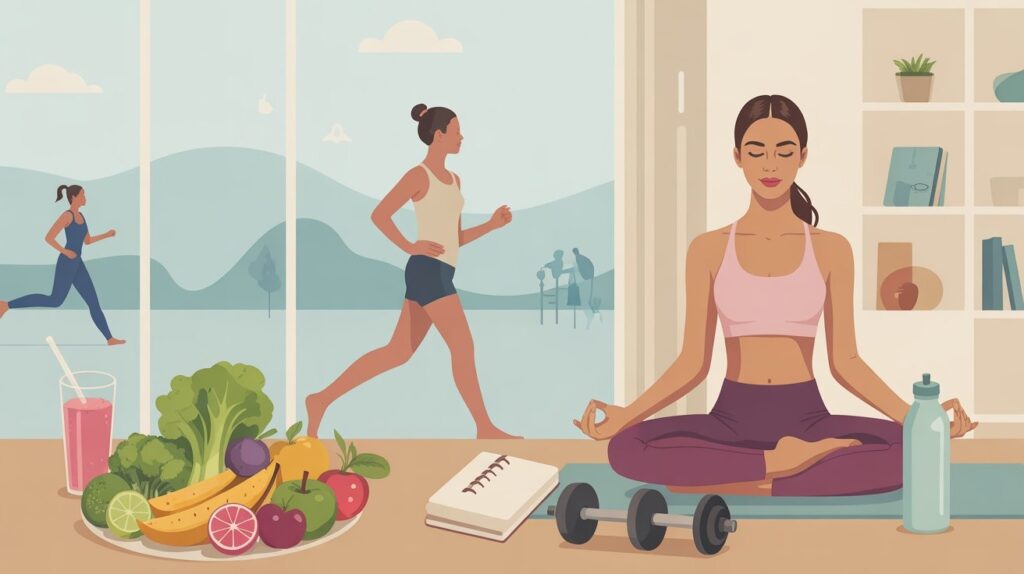
Building emotional strength takes time, but small consistent actions make a big difference.
Step 1 Recognize Emotional Patterns
Understand your feelings and identify triggers.
Step 2 Build Healthy Habits
Focus on sleep, diet, and daily routine.
Step 3 Stay Connected
Maintain regular communication with trusted people.
Step 4 Manage Stress
Use relaxation techniques daily.
Step 5 Seek Help When Needed
Do not hesitate to consult a mental health professional.
Comparison of Healthy vs Unhealthy Lifestyle Choices
| Healthy Choices | Unhealthy Choices |
| Regular sleep schedule | Irregular sleep |
| Social interaction | Isolation |
| Balanced diet | Junk food habits |
| Exercise routine | Sedentary lifestyle |
| Stress management | Ignoring stress |
This comparison shows how lifestyle choices directly impact mental health.
FAQs
What lifestyle choices can help reduce the risk of suicide?
Healthy routines, strong social connections, exercise, and stress management can significantly reduce risk.
Can exercise improve mental health?
Yes, regular physical activity helps release mood-enhancing chemicals and reduces stress.
Why is social support important for mental health?
It provides emotional comfort, reduces loneliness, and improves coping ability.
How does sleep affect mental health?
Poor sleep can increase anxiety and emotional instability, while good sleep improves balance.
When should someone seek professional help?
If feelings of sadness or hopelessness persist, seeking professional help is strongly recommended.
Conclusion
Understanding what lifestyle choices can help reduce the risk of suicide is an important step toward building a healthier and more balanced life. Small daily habits like exercise, good sleep, healthy eating, stress management, and strong social connections can make a powerful difference in emotional well-being.
If you or someone you know is struggling, remember that support is always available and recovery is possible. Take the first step today toward a healthier mind, and prioritize lifestyle choices that support mental strength and emotional stability.